
Stop Wasting Money on Resistance Bands Sets: 5 Durability Red Flags to Avoid

.png)
You've bought resistance bands before.
Rubber resistance bands.
Not because you trained wrong.
Because they were rubbish from the start.
Most resistance bands sets are built to fail.
Rubber resistance bands.
Cheap materials. Poor construction. Zero quality control.
The fitness industry knows it. They don't care.
They want you buying replacements every few months.
Here's what actually breaks down.
And how to spot it.
Before you waste another £20.
Stop wasting money on rubber resistance bands.
Red Flag #1: Mystery Materials (Or No Materials Listed At All)
Stop wasting money on rubber resistance bands.
Check the product description right now.
Does it say "latex" with no specifics? "Premium rubber"? "Elastic blend"?
Walk away.
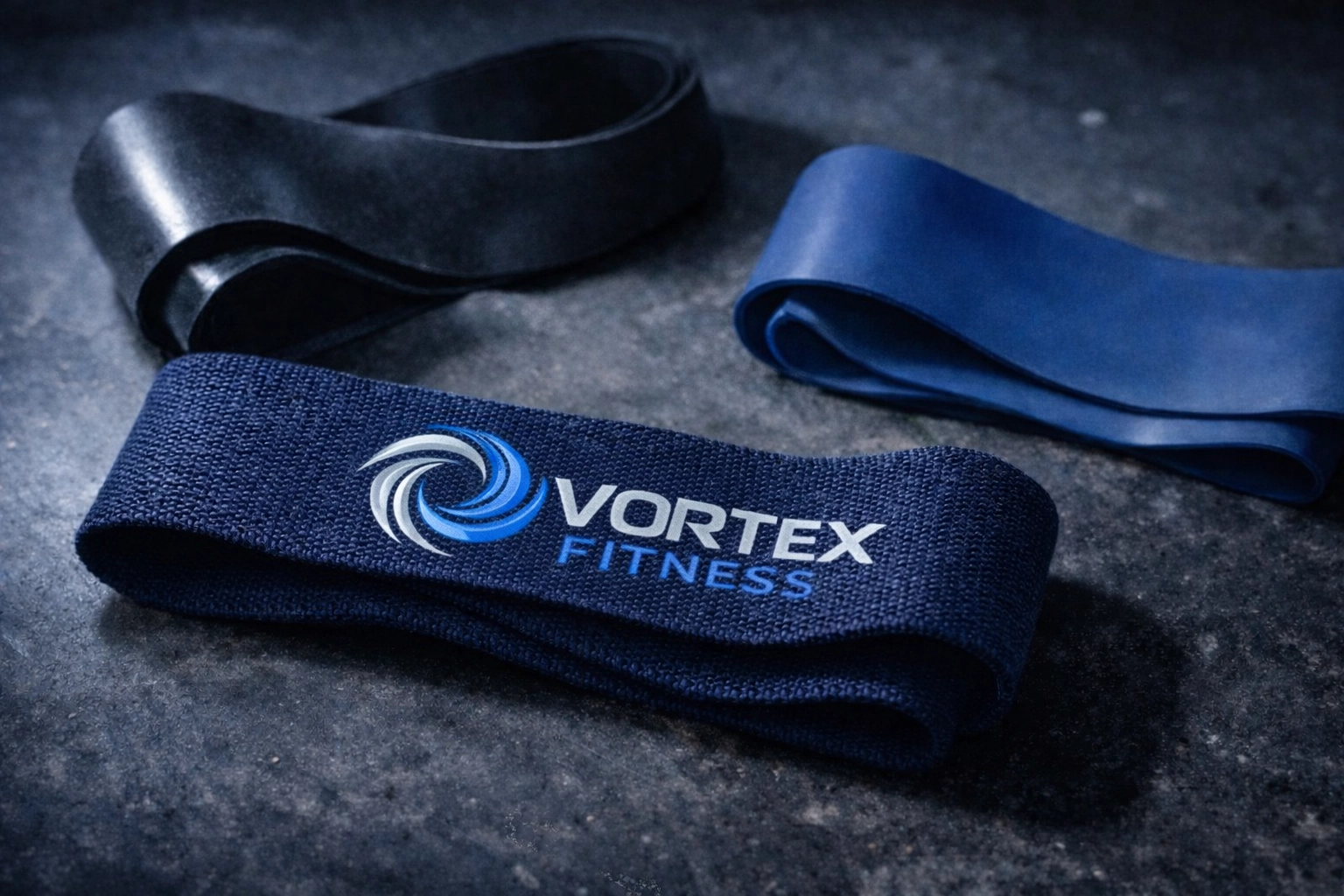
Quality resistance bands tell you exactly what they're made from. Premium-grade virgin latex. Medical-grade TPE. Specific fabric compositions.
Vague material descriptions mean one thing: low-grade rubbish.
Rubber resistance bands hide it.
Here's why it matters for your training:
Premium latex retains 80-90% of its original resistance for hundreds of workouts. Cheap alternatives? They lose tension within 6 months.
That progressive overload you're chasing? Gone.
Your glute activation drops. Your strength gains plateau. Your bands become decorative.
Fabric resistance bands solve this entirely.
Stop wasting money on rubber resistance bands.
The material doesn't degrade like rubber. Doesn't lose elasticity. Doesn't snap unexpectedly.
No latex breakdown. No mystery chemicals. Just consistent resistance session after session.
Red Flag #2: They Look Dodgy Out of the Box
Inspect before you use.
Look for cracks. Discoloration. Uneven colouring. Frayed edges. Sticky residue.
Any of these? Return immediately.
These aren't minor cosmetic issues. They're signs the material has already started breaking down.
Poor manufacturing. Bad storage. Material contamination.
The band is failing before you've done a single rep.
Quality control matters in resistance bands. Premium brands inspect every unit. Cheap alternatives ship whatever comes off the line.
That's the difference between bands that last years and bands that snap during your warm-up.
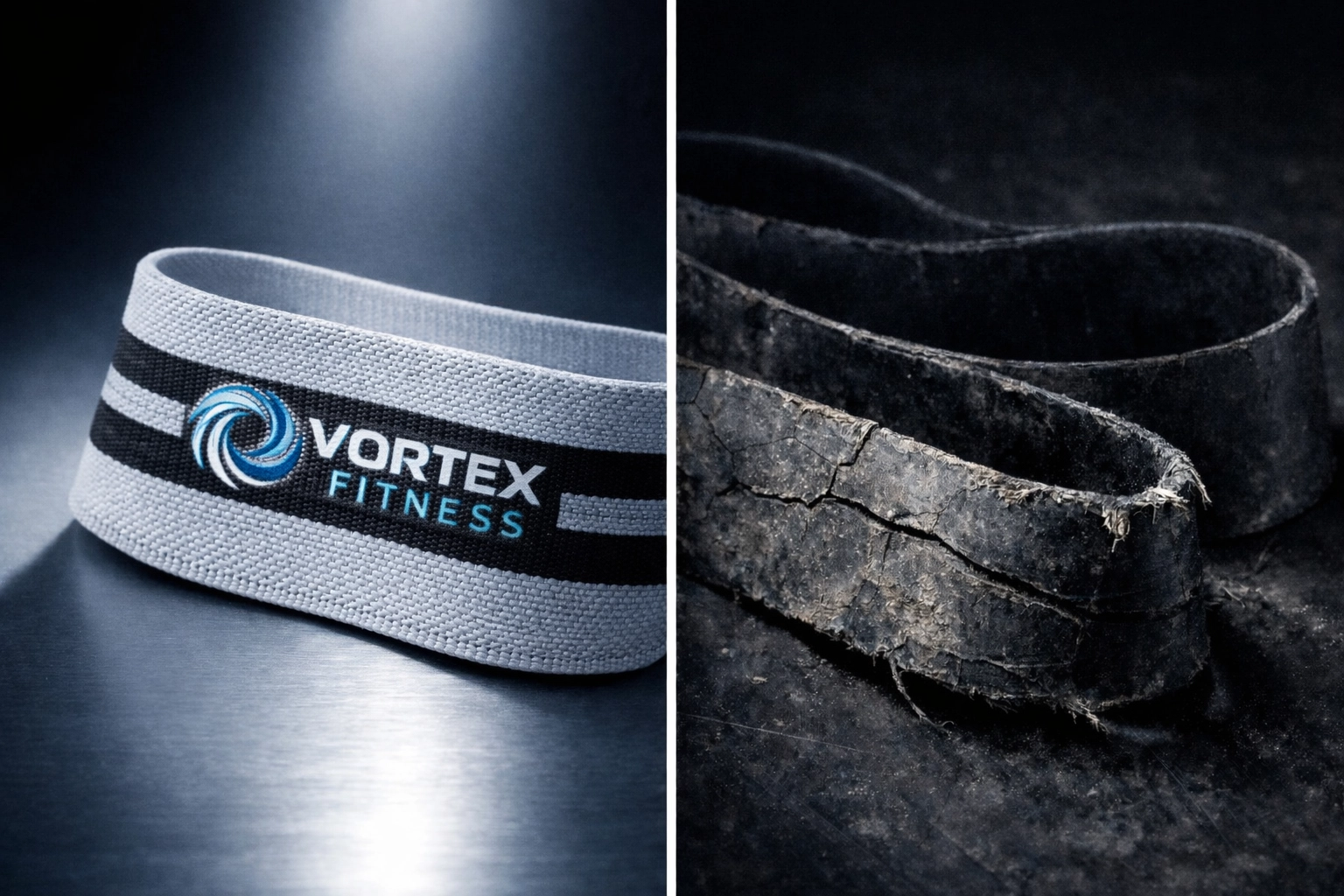
Fabric bands show quality immediately. The weave is consistent. The edges are clean. The grip surface is uniform.
No sticky latex. No weird smell. No surface defects.
Visual inspection works because quality materials look and feel premium.
Red Flag #3: They Slip During Heavy Movements
You're mid-set on hip thrusts.
The band rolls up your thigh. You readjust. It rolls again.
Your glutes aren't getting loaded properly. Your form breaks down. You end the set frustrated.
Not your fault: it's the band.
Stop wasting money on rubber resistance bands.
Smooth rubber bands slip. Always have. Always will.
Physics doesn't care about your workout.
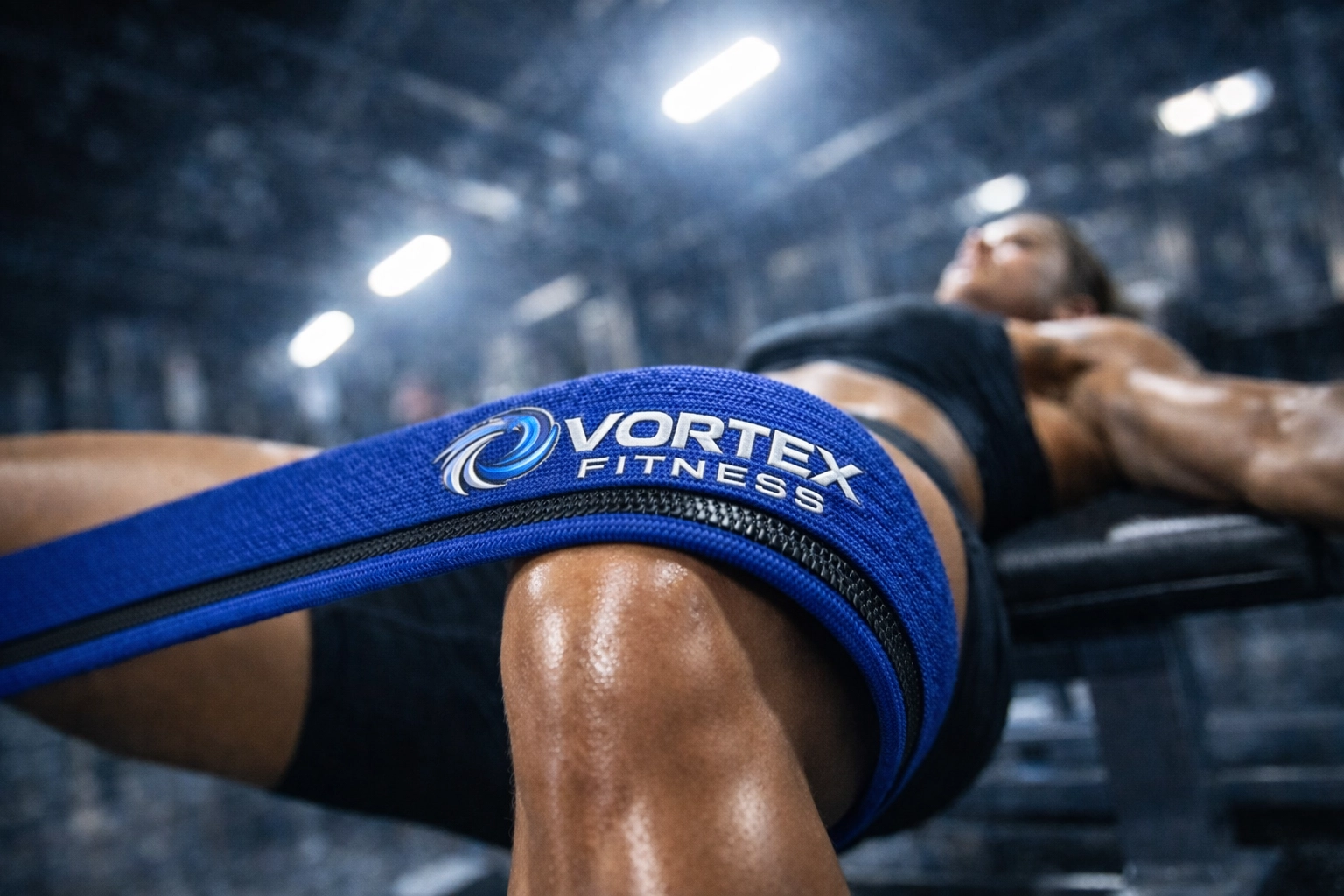
Anti slip resistance bands change everything. The grip surface stays locked during movement. Your glutes stay under constant tension. Your form stays solid.
This matters most on:
Hip thrusts
Glute bridges
Squats with bands above the knee
Lateral walks
Monster walks
Any movement where the band faces upward or outward pressure.
Slipping bands mean wasted reps. Broken sets. Reduced muscle activation.
Anti-slip fabric means every rep counts.
Red Flag #4: Flimsy Attachments and Hardware
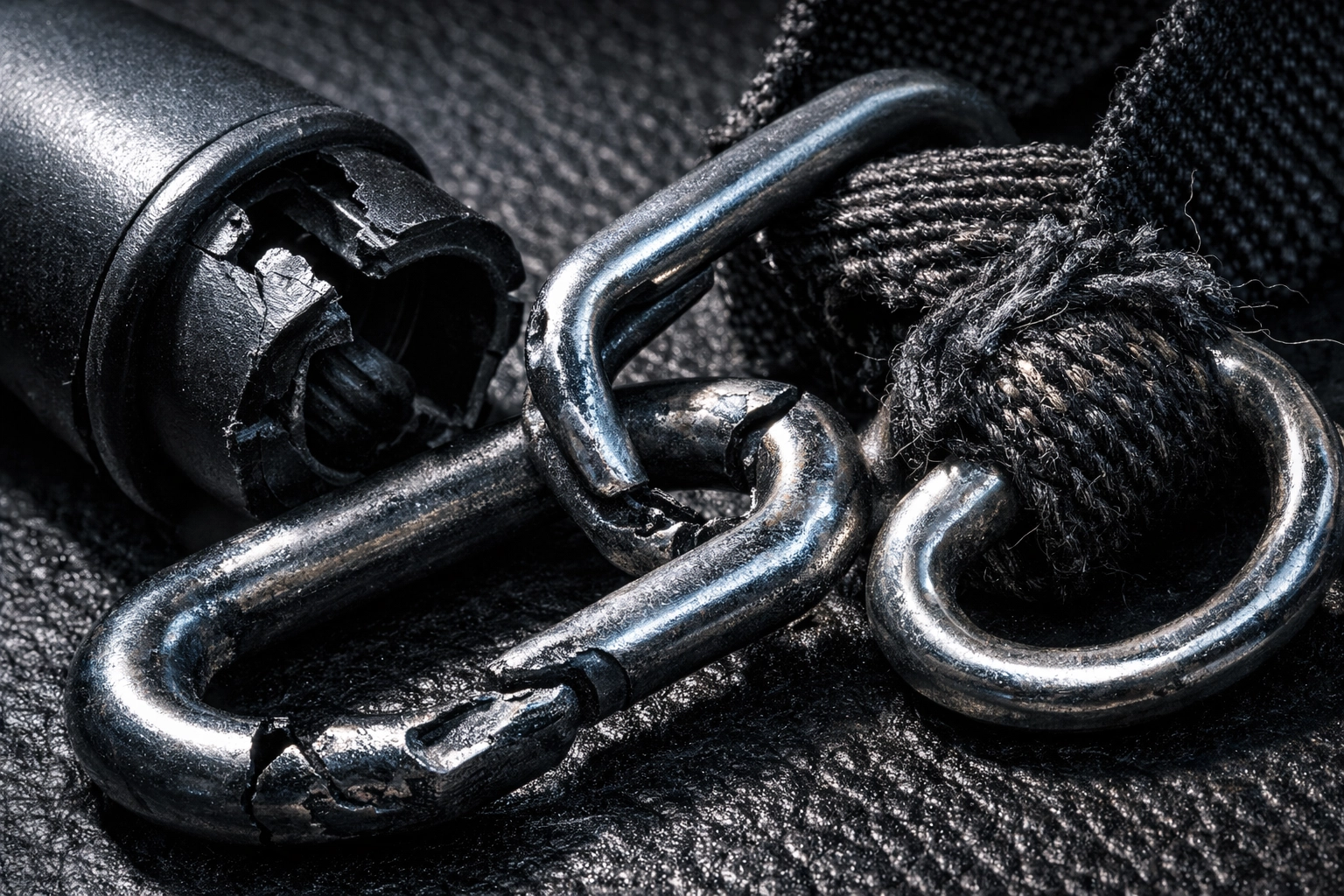
Handles break. Metal clips bend. Anchor points fail.
These are the weak points on tube-style resistance bands.
The band itself might be decent. But the attachment snaps under load.
You're pulling 20kg of resistance. The plastic handle cracks. The band whips back.
Best case? Startled. Worst case? Injured.
Examine every connection point. Squeeze the handles hard. Test the metal clips. Inspect the anchors.
If anything feels cheap or bends easily: don't use it.
Loop-style fabric bands eliminate this problem entirely. No attachments. No hardware. No failure points.
Just one continuous piece of material designed to handle serious load.
The simplest engineering is often the strongest.
Red Flag #5: The Price Screams "Too Good to Be True"
A resistance bands set for £8?
You're not getting a deal. You're buying disposable equipment.
Quality materials cost money. Proper manufacturing costs money. Testing and quality control cost money.
Cheap bands skip all of it.
They use recycled latex. Rush production. Ship without inspection.
The brand doesn't care if they last. They care about volume.
You'll replace them in 6 months. They've made their money.
Here's what you actually pay for with premium bands:
Material quality that maintains resistance for 2-4 years. Manufacturing standards that prevent premature failure. Testing protocols that catch defects before shipping.
A resistance bands set that costs £30-50 isn't overpriced. It's actually built to last.
Cheap bands are expensive when you replace them three times a year.
Why Fabric Changes the Game
Stop wasting money on rubber resistance bands.
Rubber resistance bands have fundamental weaknesses.
Latex degrades. Rubber loses elasticity. Smooth surfaces slip.
These aren't quality issues. They're material properties.
You can't engineer around them with rubber.
Fabric resistance bands work differently.
The material doesn't break down. The weave maintains consistent tension. The surface grips naturally.
No powder to maintain them. No special storage. No latex allergies.
They just work. Session after session. Month after month.
That's why serious lifters are switching.
Not because fabric is trendy. Because it performs better.
What Actually Matters in a Resistance Bands Set
You need three things:
Consistent resistance across the full range of motion. Anti-slip performance during compound movements. Durability that lasts years, not months.
Everything else is marketing noise.
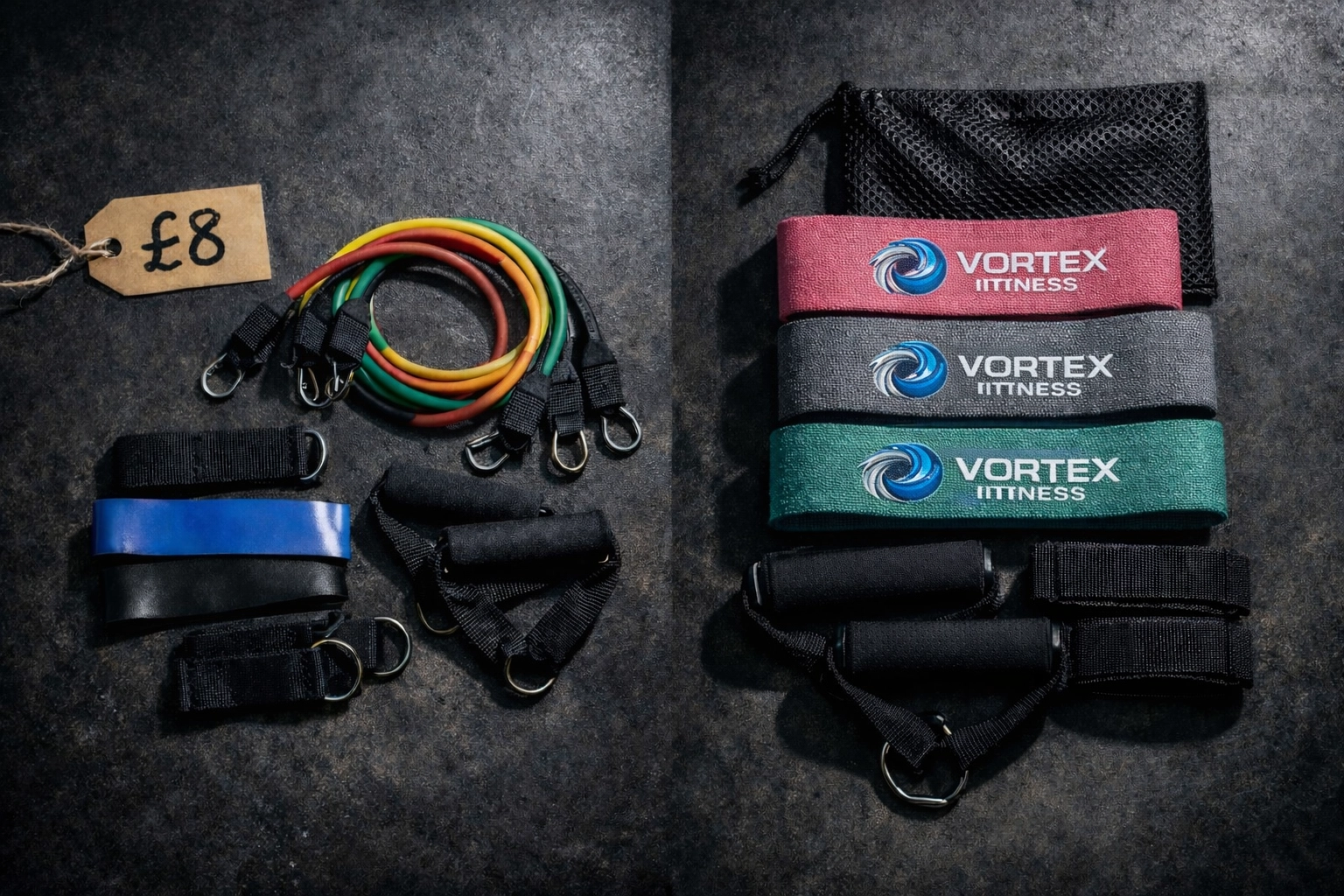
Fancy colours? Don't matter. Carrying bags? Nice but irrelevant. Multiple band variations? Only if you'll actually use them.
Focus on what affects your training.
A quality resistance bands set should:
Maintain tension through hundreds of workouts
Stay locked in position during heavy glute work
Show zero signs of wear after months of use
Work for progressive overload long-term
If your current bands fail any of these tests: they're holding back your progress.
The Bottom Line
Stop wasting money on rubber resistance bands.
You don't need another cheap resistance bands set.
You need bands that actually support your training.
Fabric over rubber. Anti-slip over smooth. Durability over price.
The red flags are obvious once you know what to look for.
Mystery materials. Visible defects. Slipping during use. Flimsy construction. Suspiciously low prices.
Any of these? Keep looking.
Your glute training deserves better than bands that quit before you do.
Check out our fabric resistance bands collection: built to handle serious training, not just look good in photos.
No gimmicks. No shortcuts. Just resistance bands that work.

Comments